


We must keep an eye on the emails and SMS we receive, as well as exercise caution while purchasing web pages on the Internet, etc.
The annual revenue generated by global cybercrime amounts to billions of euros. Cybercriminals use a variety of tactics to attain these outcomes, which change based on the target they aim to attack and the information they need. But there’s no denying that when they create a campaign, one of their key aims is bank and credit card information.
Criminals employ a variety of tactics to get this data. And if you want to prevent being a victim, it is imperative that you are aware of each one. Because of this, Cybermatters shares five of the most popular and effective of these ruses with you.
Criminals employ a variety of tactics to get this data. And if you want to prevent being a victim, it is imperative that you are aware of each one. Because of this, Cybermatters shares five of the most popular and effective of these ruses with you.
Phishing
One of the most widely utilized methods for data theft by cybercriminals is phishing. In its most basic form, fraudsters utilize email, SMS, or messaging applications to pretend to be a reputable organization (such a bank, an e-commerce provider, or a technological business) in order to dupe users into disclosing their data or unknowingly installing malware (computer virus).
The user is frequently encouraged to open an attachment or click on a link. This can occasionally direct users to a fake website that attempts to pass itself off as the one belonging to the organization the imposter is impersonating. There, a number of bank information requests are made.
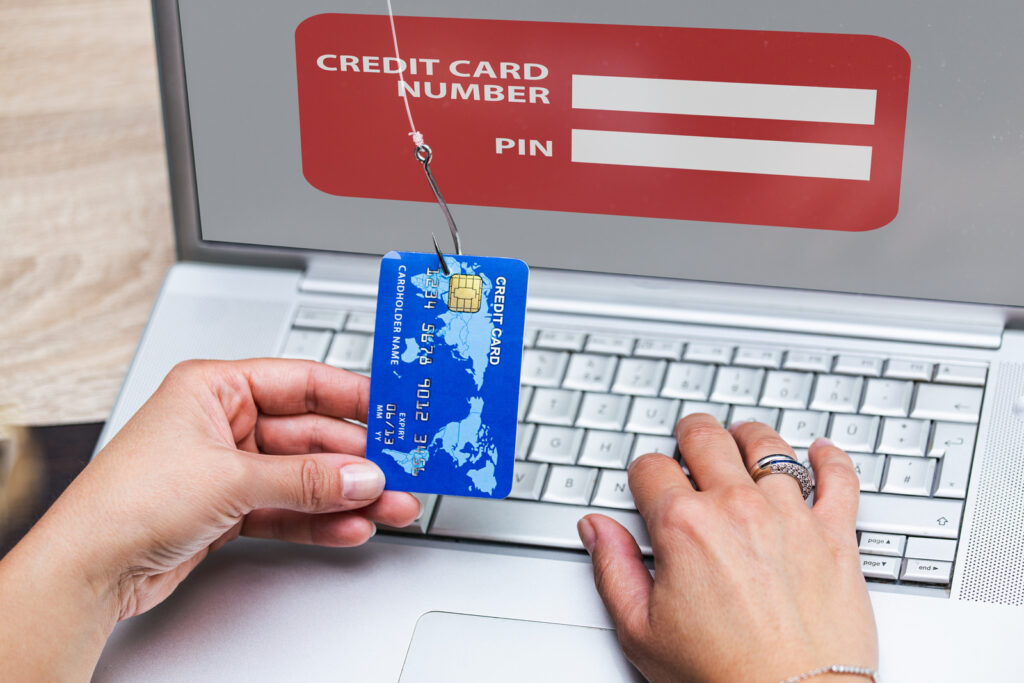
In an interview with Cybermatters, Josep Albors, head of research and awareness at the cybersecurity firm ESET, says that “it is increasingly simple to convince these scam attempts with authentic communications”: “Templates used by cybercriminals are getting better and better. Likewise, nefarious websites. When a user is unprepared, it is simple to fall into the trap “.
Albors advises the user to “go straight to the entity or company to prevent revealing bank details without recognizing it” if there is any uncertainty.
Malware
Various forms of malicious programming have been created over time to steal information. Some even capture keystrokes made when inputting credit card information on a banking or e-commerce website. How do crooks acquire access to your device with these tools?

Phishing emails and texts are a common technique, as mentioned above. Malicious web advertising are still another. Popular websites can also be infected by cybercriminals, who then wait for consumers to access them. When a user visits a website that is infected, this kind of malware is immediately installed. Additionally, harmful information-stealing code is frequently disguised inside seemingly legal mobile applications.
The director of research at ESET notes that this threat is increasingly focusing on mobile devices: “Criminals find that attacking cellphones directly makes it much easier to collect bank password confirmation messages. They can obtain this data automatically if they install a code that can access the SMS the Internet user receives “.
Skimming
On e-commerce websites’ payment pages, harmful software may occasionally be installed by cybercriminals. Although the user cannot see these apps, they capture card information as it is entered.
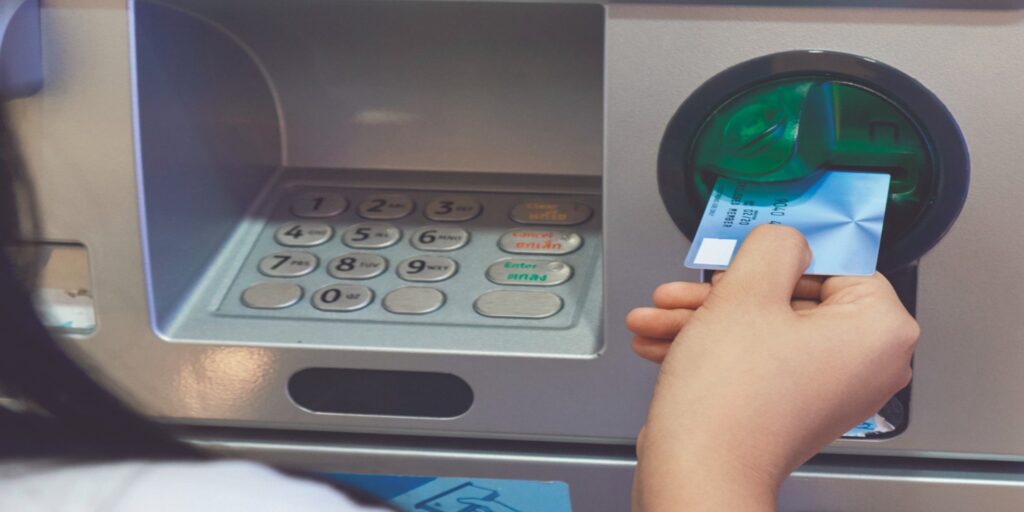
Users’ sole option in this situation to be safe is to only make purchases from well-known companies and websites, which are probably more secure.
The simplest way to determine if we have fallen victim to this tactic is to see if any unauthorized purchases have been made with our card, since it also applies in all other situations, according to Albors, who adds that although it is not widely practiced.
Leakages
Card information can occasionally be taken right from the businesses you deal with. This might be a hospital, an online retailer, or a travel agency. From the perspective of the cybercriminal, this method is more lucrative because it allows them to acquire a significant amount of data in a single attack.

Public Wi-Fi
When you’re away from home, it can be alluring to use public WiFi hotspots, airports, hotels, coffee shops, and other communal locations to browse the internet for free. If thieves have paid to join the network, it could not be secure even if you have to pay to do so. They can track your data entry with this access.

“Because most users have their data plans on their mobile devices and no longer rely as much on open WiFi, these incidents are not as common as they formerly were. However, it is crucial to avoid using mail or online banking without a VPN in the case that they are used “says the head of research at ESET.
Wow, these cybercriminals are getting more creative with their credit card tricks! Stay vigilant, folks!
Are you kidding? It’s not about cybercriminals being creative, it’s about people being careless with their credit card information. If you can’t be bothered to protect your own data, don’t complain when you get scammed.
Wow, these cybercriminals are getting craftier! Gotta stay vigilant to protect our credit cards.
“Wow, never thought cybercriminals could be so sneaky! Scary how easy it is for them to steal our credit card info 😱”
Are you living under a rock? Cybercrime has been a thing for ages! It’s not just credit cards, they’re after our data too. Stay vigilant, dude, or you’ll be their next victim.
“Wow, these cybercriminals sure have some creative tricks up their sleeves! Stay vigilant, folks! 💻🔒”
Wow, can you believe cybercriminals actually use “skimming” to steal our credit card info? Mind-blowing! 😱
Wow, I can’t believe cybercriminals actually use “skimming” to steal credit cards. Mind-blowing!
You’re clearly living under a rock if you find this surprising. Cybercriminals are always evolving their tactics to exploit vulnerable individuals. Educate yourself and stay informed, or you might end up being their next victim.